
Written by Dale Alexander
Commercial Director
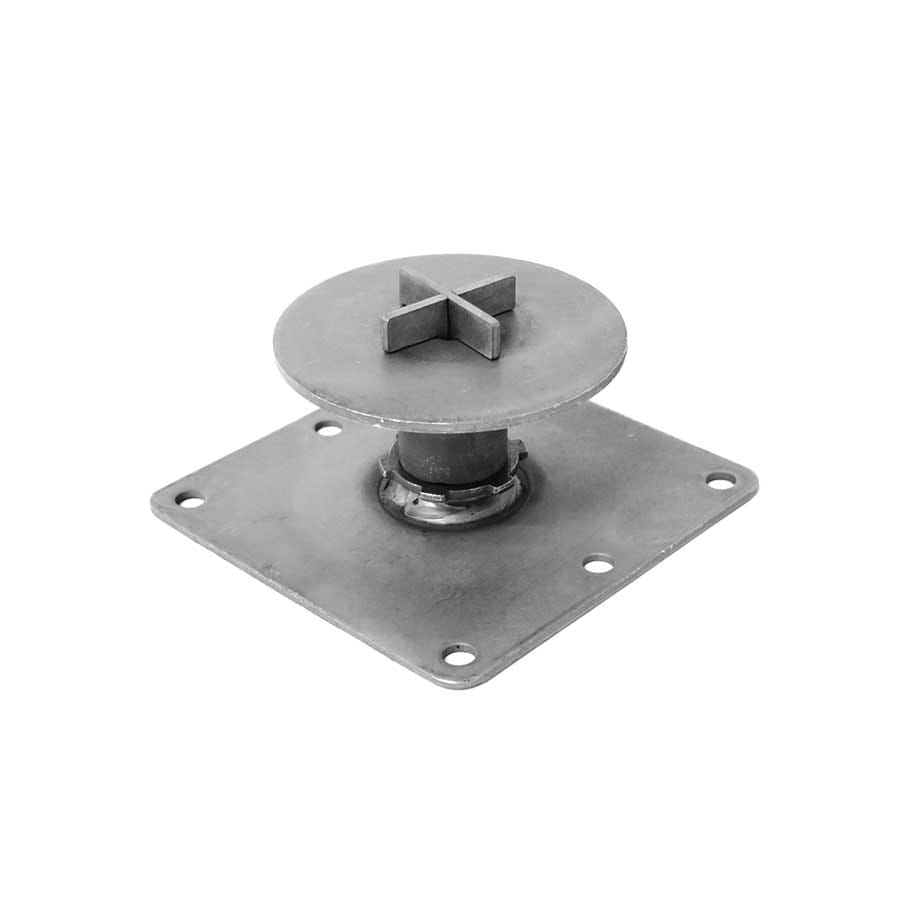
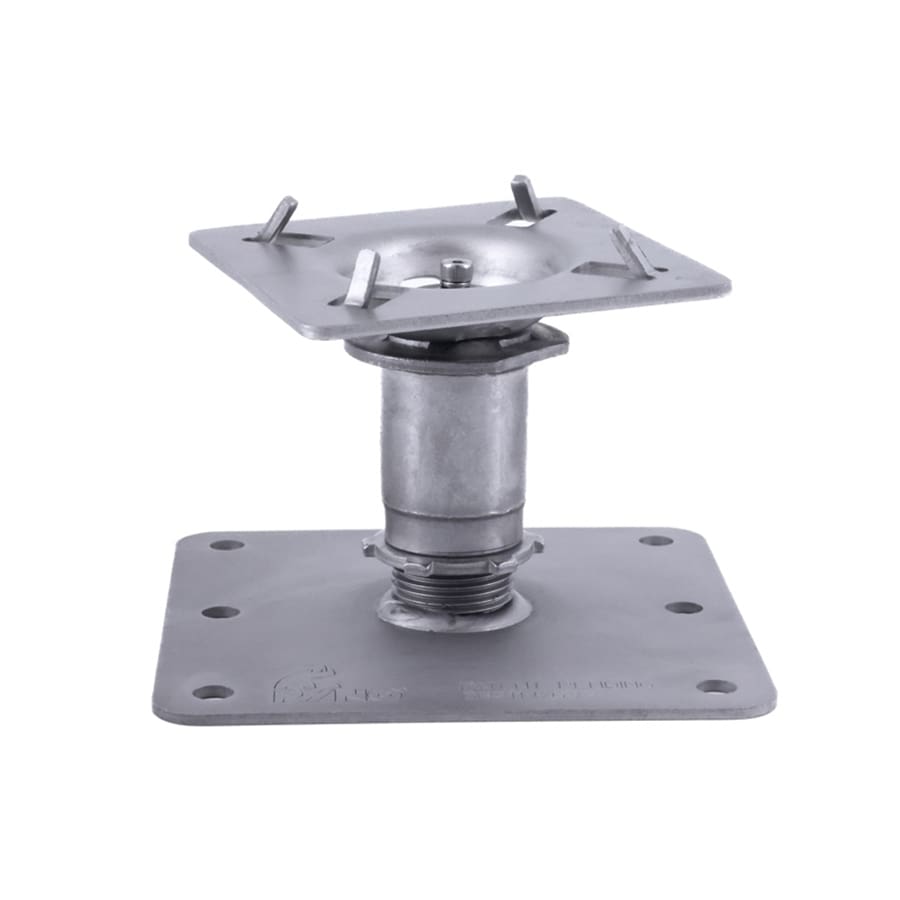
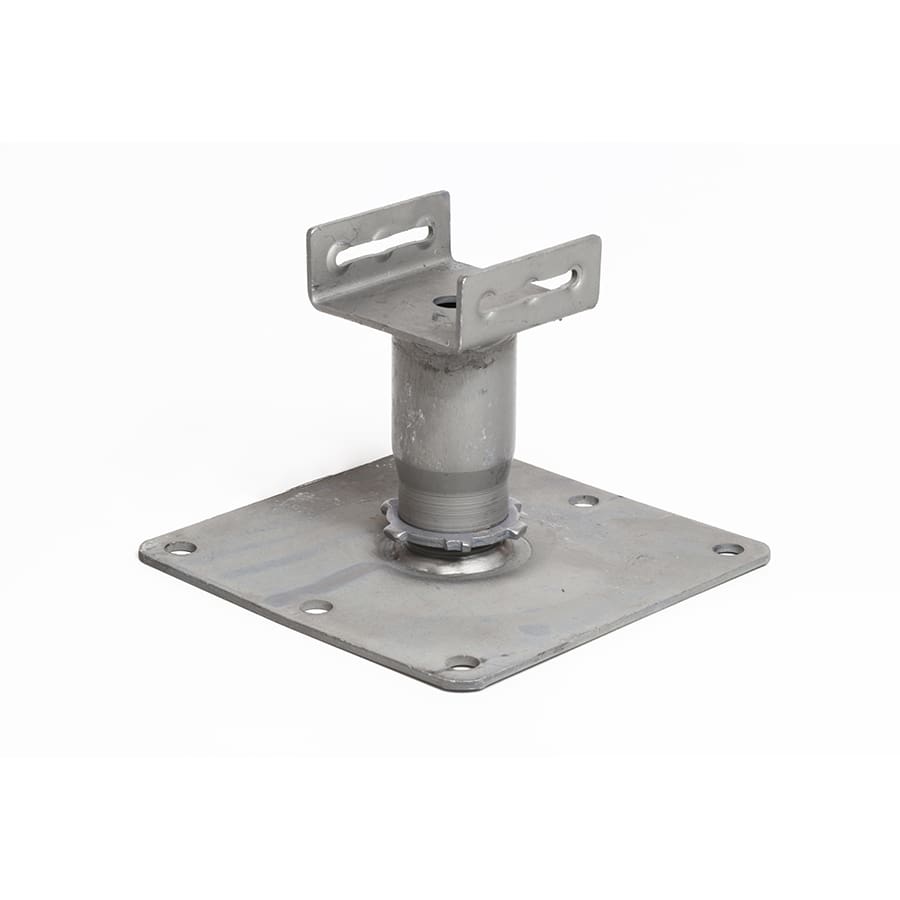
We’re proud to announce that our RP-FR, RPA-FR, and RD-FR pedestal systems now come with verified EPD certification. This milestone reinforces our commitment to sustainability, transparency, and industry leadership, providing specifiers with the confidence to design responsibly without compromising on performance.
But what exactly is an EPD, and why does it matter in modern construction?
What is an environmental product declaration (EPD)?
An Environmental Product Declaration (EPD) is a standardised, third-party verified document that communicates the environmental impact of a product across its entire lifecycle.
Backed by rigorous data and international standards like EN 15804 and ISO 14025, an EPD goes beyond marketing claims by delivering objective, comparable, and science-based environmental performance information.
Learn more about EPD frameworks from One Click LCA
What is an EPD in construction?
In construction, an EPD allows architects, developers, and contractors to make evidence-based material choices. Unlike generic “eco-friendly” labels, an EPD provides:
- Verified data on embodied carbon, energy use, and environmental impact.
- Comparisons between materials to support responsible sourcing.
- A transparent way to demonstrate compliance with sustainability standards.
Put simply, an EPD ensures that sustainability decisions are driven by data, not greenwashing.
Why does an EPD matter?
Sustainability is no longer optional; it’s a baseline expectation for modern construction projects. Verified EPDs play a crucial role in meeting client, regulatory, and industry demands.
Sustainability demands
With the rise of certifications such as BREEAM, LEED, and WELL, specifiers increasingly need validated product data to meet sustainability benchmarks. An EPD simplifies credit allocation and provides confidence that chosen materials support low-carbon design. (UKGBC)
Industry leadership
EPDs remain rare in the pedestal and rooftop systems sector. By achieving verified EPDs, RYNO demonstrates a proactive approach to sustainability leadership, helping architects future-proof their projects.
Building regulations
Public and private procurement frameworks are moving towards mandatory EPD requirements. In markets such as the EU and Scandinavia, EPD-backed materials are already becoming a minimum standard.


How an EPD benefits clients
Project certification credits
- EPD-backed products streamline the process of gaining credits in schemes like BREEAM and LEED, reducing paperwork and accelerating approvals.
Data-driven specification
- Because EPDs are third-party verified, specifiers can rely on them for accurate lifecycle data when completing carbon reporting or life-cycle assessments (LCAs).
Future-proof projects
- As environmental regulations tighten, projects that use EPD-certified products are ahead of the curve, avoiding costly retrofits or redesigns later.
Benefits of product declaration and environmental certification
| Benefit | Explanation |
|---|---|
| Transparency and credibility | Provides clear, third-party verified data, reducing greenwashing risk and enabling evidence-based material selection (source). |
| Supports green building certifications | Facilitates credits in schemes such as BREEAM, LEED, and WELL (source). |
| Life Cycle Assessment (LCA) backing | Based on EN 15804 and ISO 14025 methodologies, covering embodied carbon, ozone depletion, energy use, waste, and more (source). |
| Improves product innovation and efficiency | Feedback from LCA data drives manufacturers to reduce impacts and design smarter materials. |
| Market and regulatory alignment | Meets growing procurement requirements for EPD-backed data in both public and private sectors. |
In short: an EPD benefits everyone – clients, contractors, and the environment.
How EPD-certified products help meet green building standards
When projects target sustainability ratings, every specification choice matters. EPDs give specifiers a direct route to:
- Secure certification credits.
- Demonstrate responsible sourcing.
- Document environmental performance for regulators and clients.
Where to find our EPD
You can access the verified EPDs for our RP-FR, RPA-FR, and RD-FR pedestals directly via our pedestal page.
At RYNO, we’re committed to transparency and sustainability. For tailored specification support – or to see how EPD-certified products can enhance your next project – contact our technical team.
EPD FAQs
Is an EPD mandatory in the UK?
Currently, EPDs are not mandatory across the UK, but they are strongly encouraged for public procurement and increasingly demanded by private clients. Many EU countries already require EPD-backed materials.
How do you make an Environmental Product Declaration?
Manufacturers conduct a Life Cycle Assessment (LCA) according to EN 15804, verified by an independent third party.
What does “EPD verified” mean?
It means the document has been reviewed and approved by an independent programme operator, ensuring accuracy and compliance with international standards.
What countries are part of the EPD system?
EPDs are recognised internationally, with leading adoption in Europe, North America, and Asia-Pacific.
Who can verify an EPD?
Verification is performed by accredited third-party organisations, such as those listed on the International EPD System.

Dale Alexander
Commercial Director
Dale works closely with developers and contractors to deliver commercially viable solutions that support long-term project performance. Outside work, family life and cooking take centre stage, usually with a coffee close by.