
Written by Arron Thomson
Specification Manager
Climate change and biodiversity loss are no longer abstract concerns for the built environment. The UK is experiencing hotter summers, longer dry periods, and increasing pressure on urban green space. According to government and environmental reports, urban biodiversity continues to decline while demand for sustainable development grows.
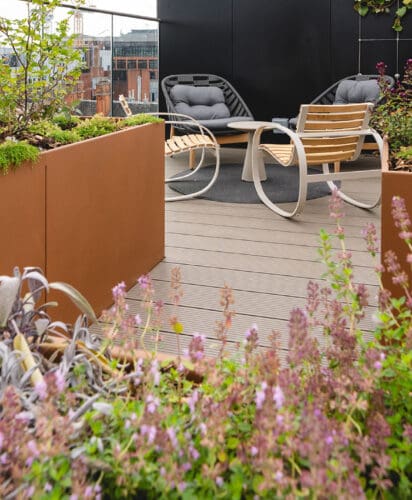
For architects and developers, the challenge has evolved. Creating green space is no longer just about landscaping. It is about engineering nature onto podiums, balconies, and rooftops, where structure, drainage, safety, and longevity are just as important as the planting itself.
This article offers guidance for architects, landscape designers, and developers looking to create future proof green spaces using robust rooftop and planter infrastructure that enables horticultural success.
Table of contents
- Why planting soil matters
- Safety and sustainability
- Planting to support biodiversity
- The importance of a complete system approach
- Design for performance, not perfection

Why planting soil matters
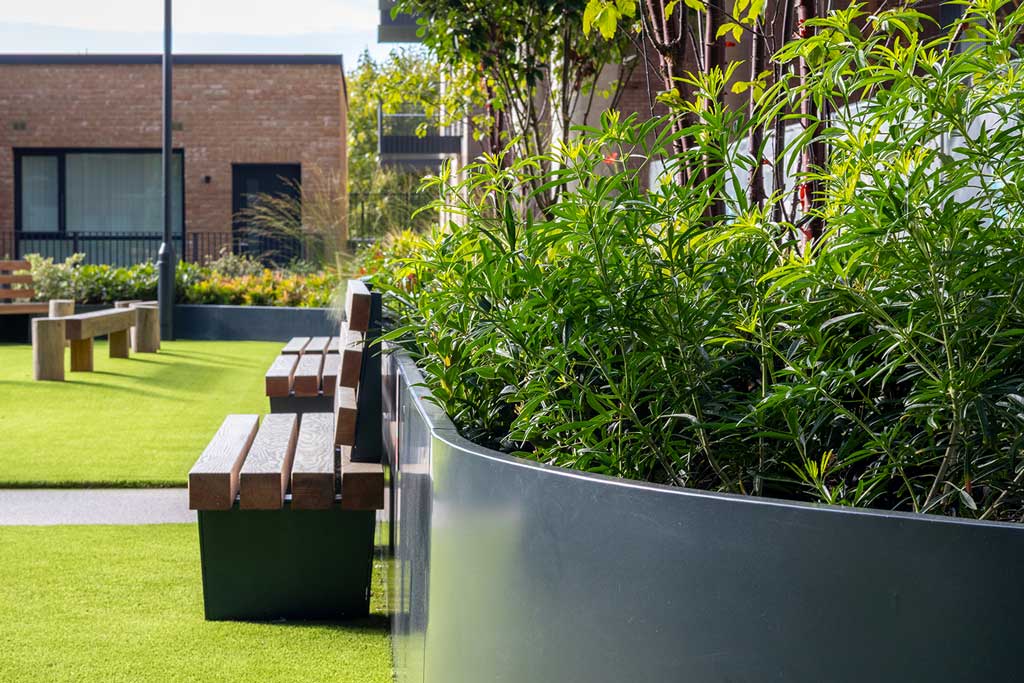
Healthy planting starts below the surface. Independent horticultural research consistently highlights that planting soil plays a critical role in water retention, drainage, root development, and long-term plant health.
On rooftops and podiums, however, natural soil profiles do not exist. Instead, planting relies on engineered build ups that must carefully manage:
- Drainage and water flow
- Load distribution
- Root space and aeration
- Interface with waterproofing layers
Government and industry guidance stresses that poor drainage is one of the leading causes of plant failure in urban environments. This makes effective drainage and precise levelling essential components of any green roof system or planter layout.
Well-designed sub frame and planter systems allow horticultural specialists to specify appropriate soils with confidence, knowing excess water can escape and planting conditions remain stable throughout the year.
Safety and sustainability
True sustainability is not just about materials. It is about longevity, safety, and reducing the need for replacement over time.
On rooftops, safety considerations are critical and include:
- Fire performance
- Wind uplift resistance
- Structural integrity over long spans
- Durability of materials exposed to weather extremes
As green roof design becomes more ambitious, robust infrastructure is essential to support planting safely and compliantly. High quality systems and surfaces reduce risk, improve access for maintenance, and ensure green roof installation remains viable throughout the life of the building.
Using tested, non-combustible, and durable components supports long term sustainability by preventing early failure and reducing whole life carbon impact.

Planting to support biodiversity
Urban environments present real challenges for biodiversity. Limited space, shallow build ups, and exposure to heat and wind all place stress on planting.
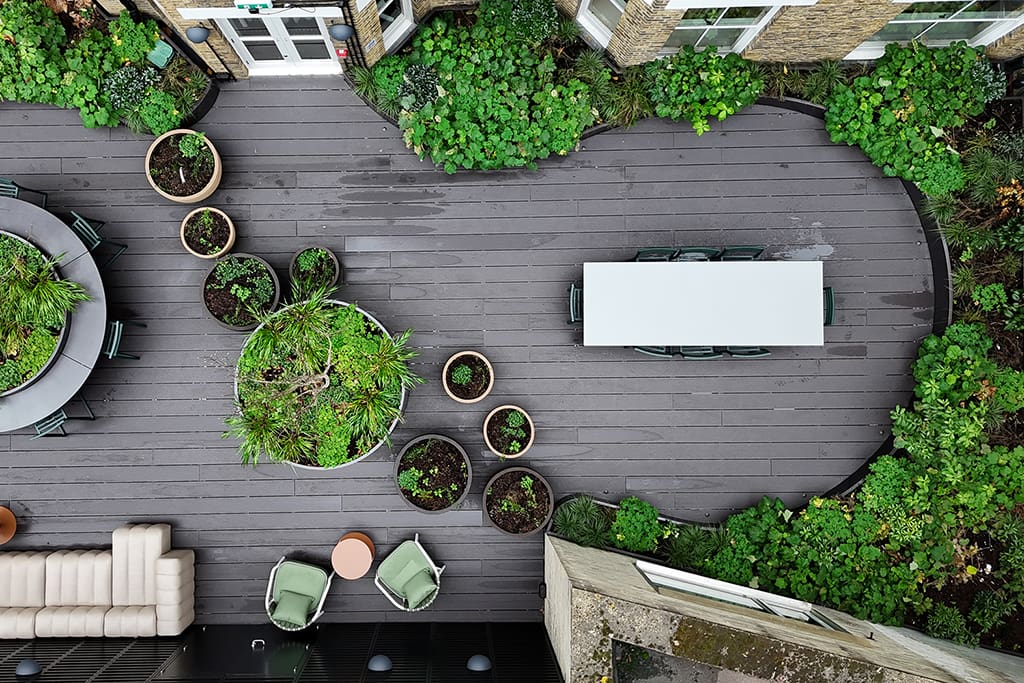
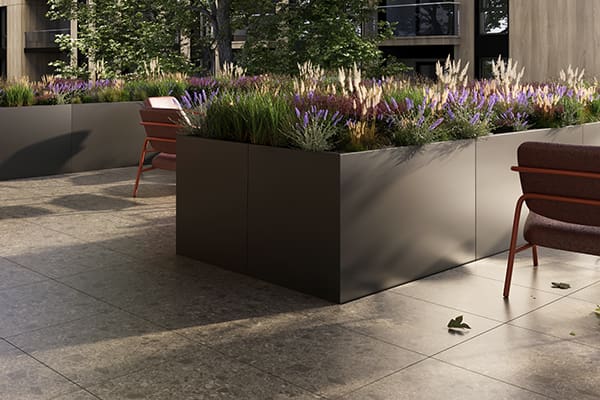
Integrated planter systems offer a practical solution. By using modular layouts, architects can introduce:
- Wild planting zones
- Pollinator friendly planting areas
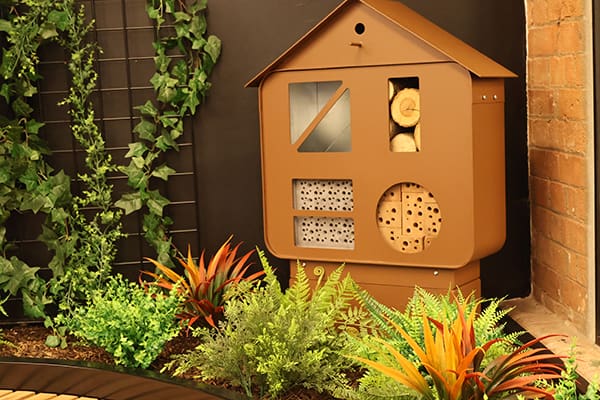
- Habitat pockets within roof terraces
- Green corridors across large podiums
Modular planter systems also allow planting to be combined with decking, seating, and circulation routes. This encourages interaction between people and nature, improving wellbeing while supporting biodiversity.
Horticultural experts often advise that flexibility is key. Allowing for varied pot sizes, realistic growth rates, and appropriate soil depths improves survival rates and ecological value. Find out more about this topic in the following blogs:


The importance of a complete system approach
One of the most common causes of failure in rooftop landscapes is fragmented specification. When components are sourced separately, performance can vary across the assembly.
A complete system approach ensures:
- Consistent performance across the entire build up
- Compatibility between drainage, levelling, and finishes
- Simplified installation and maintenance
- Greater confidence in long term durability
Using integrated roofing systems and planter solutions helps ensure safety, structural performance, and aesthetics work together rather than in isolation.
This approach is particularly important for complex schemes involving green roof systems, biodiverse roofs, and living roof construction where multiple interfaces must perform together.
Design for performance, not perfection
A greener future is one that lasts. The most successful green roof design is not defined by how it looks on day one, but by how it performs over decades.
By designing on robust sub frames and modular planter systems that remain safe, level, and adaptable, architects can create green spaces that evolve naturally over time. This allows planting to mature, biodiversity to establish, and maintenance requirements to reduce.
Performance led design creates rooftop landscapes that are resilient, flexible, and future proof.
If you are planning a roof terrace, or biodiverse roof and would like support specifying the right systems, get in touch with RYNO to discuss how our modular planter and rooftop solutions can support your project from concept to completion.
Eiger Porcelain Planter System
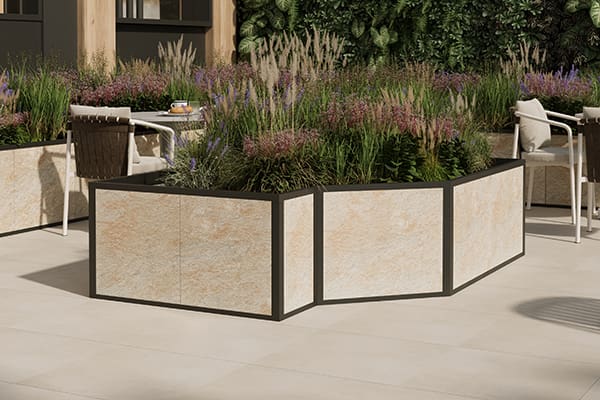
Contour Bespoke Planter System
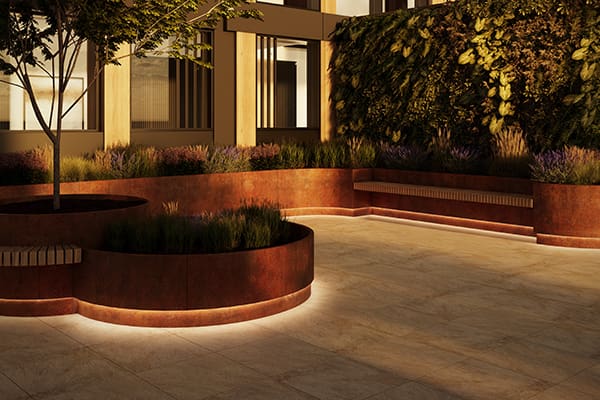
Ledge Bespoke Planter System
Planter Habitats System

Arron Thomson
Specification Manager
Arron helps align design intent with practical delivery, working closely with architects, developers and contractors from concept to site. Outside work, he enjoys running, good whisky and luxury fashion, usually with chocolate nearby and his dog Murphy close behind.