
On a roof terrace, the waterproofing must drain while the finished paving or decking stays level. For installers, the commercial question is simple: how do you correct the fall without spending margin on repeated measuring, packing and rework?
Manual shimming can solve the problem, but every support becomes a separate levelling task. A self-levelling pedestal head corrects the local fall at the bearing point, allowing the team to focus on setting out, height and surface alignment. That means fewer loose components, faster progress and a more repeatable finish across paving, decking and mixed-surfaces schemes.
Early technical input also protects programme and margin: RYNO can review falls, thresholds, build-up heights, drainage and finish interfaces before materials reach site, helping the installer avoid incompatible components or late redesign.
Table of Contents
- The challenge of roof slope correction
- Streamlining installation with self-levelling pedestals
- Manual shims vs self-levelling pedestal heads
- Why it matters on modern roof terrace projects
The challenge of roof slope correction
Building regulations and industry guidance require flat roofs to incorporate falls to ensure effective drainage. Guidance within BS 6229:2018 recommends finished falls of 1:80 to achieve an effective drainage fall of around 1:40 once construction tolerances are taken into account.
That means the waterproofing beneath a roof terrace rarely sits level.
For installers, this creates a simple problem:
- The roof slopes.
- The finished terrace shouldn’t.
- Every change in roof fall needs correcting.
On traditional installations, this usually means manually packing or shimming individual supports until every paving slab or decking board reaches the correct finished level.
On smaller projects, this may be manageable, but across hundreds of square metres, every adjustment quickly adds up. This becomes even more significant on larger commercial roof terraces where installers are already working around thresholds, drainage outlets and multiple surface finishes.
If you’re designing a roof terrace, it’s also worth considering drainage detailing, parapet design and edge detailing together. We’ve covered these topics in our articles on preventing common parapet issues and other topics on this here.

The hidden cost of manual shimming
CITB’s Construction Workforce Outlook 2026–2030 estimates that UK construction will need an average of 41,200 extra workers each year – around 206,000 over five years. Reducing repetitive adjustment helps skilled installers spend more time laying finished area.
Manual shimming doesn’t just take longer, it also introduces variability into the installation.
Every individual support requires adjustment, measurement and checking. If one support is incorrect, the finished surface can rock, create lipping between slabs or require sections to be reworked.
| Manual shimming challenge | Project impact |
| Multiple adjustments per pedestal | Longer installation times |
| Inconsistent packing | Greater risk of uneven finishes |
| More handling of components | Increased labour costs |
| Greater reliance on installer judgement | Reduced consistency across large projects |
On commercial roof terraces, where installation programmes are already under pressure, these additional minutes quickly become hours.
Streamlining installation with self-levelling pedestals
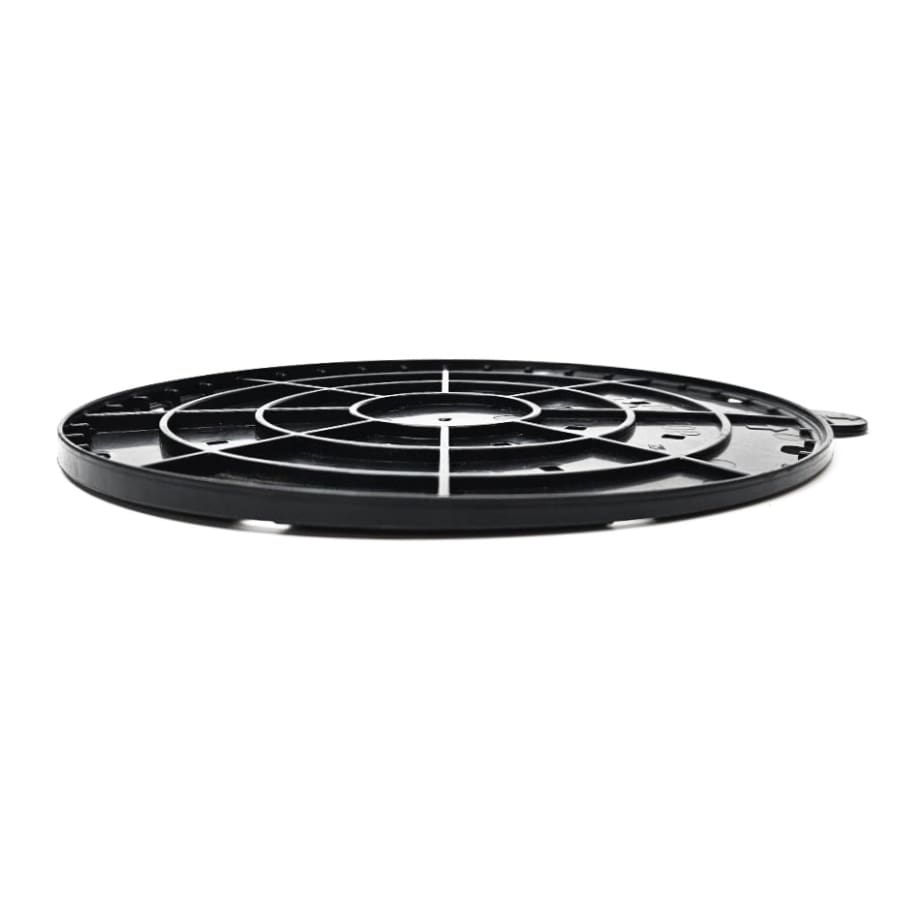
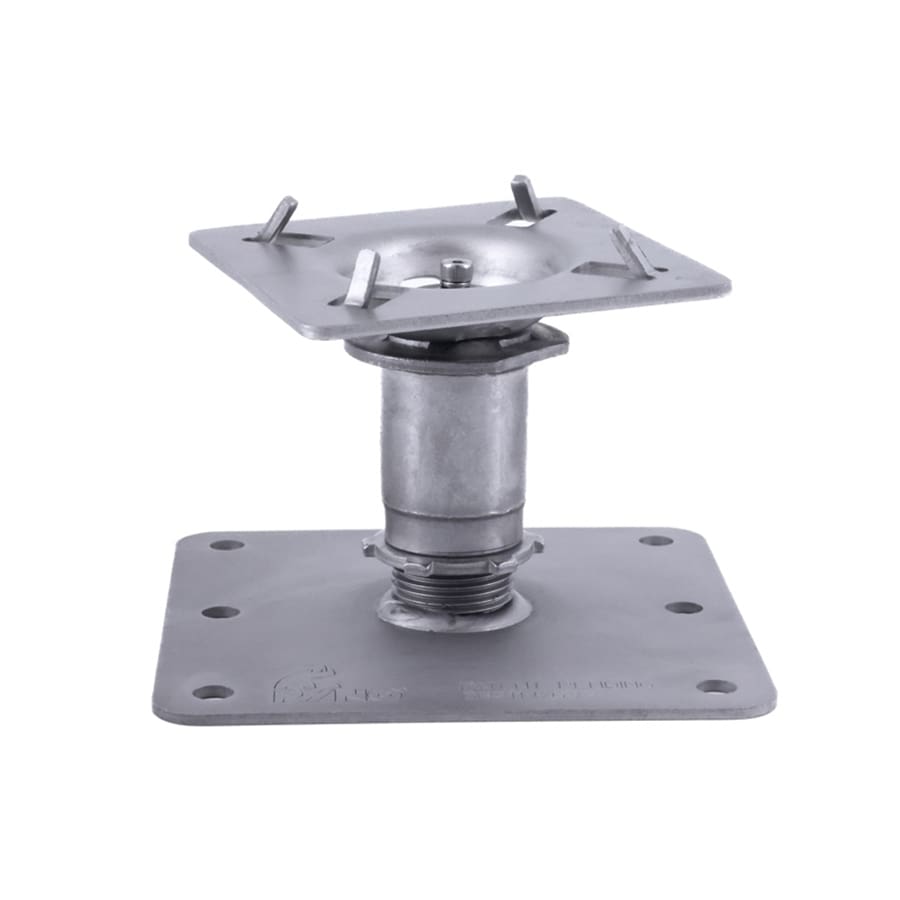
Self-levelling pedestal heads automatically compensate for changes in roof fall without requiring manual packing beneath every support.
Rather than installers correcting each individual pedestal, the head adjusts itself to maintain a level bearing surface.
This allows installers to concentrate on setting out and progressing the installation rather than repeatedly checking levels.
RYNO’s self-levelling pedestals provide automatic multi-directional slope correction while maintaining a stable support for paving or decking systems. Unlike some alternatives, they integrate with wider terrace systems, allowing designers and contractors to specify a complete roof build-up from one manufacturer.
This becomes particularly valuable on complex roof terraces featuring multiple finishes, integrated drainage or changes in direction.
For projects requiring non-combustible systems, the same approach is available across RYNO’s non-combustible paving pedestal range, helping simplify specification while supporting compliance.
Manual shims vs self-levelling heads
| Manual shimming | Self-levelling pedestal |
| Individual packing required | Automatic slope correction |
| Slower installation | Faster installation |
| Greater risk of inconsistency | Consistent finished levels |
| More installer adjustments | Minimal ongoing adjustment |
| Higher labour input | Reduced labour time |
Consider an illustrative 300-support area. If selecting, fitting and checking shims adds 45 seconds per support, built-in correction removes up to 225 minutes – 3.75 labour hours -from that activity. At a chargeable labour rate of £35 per hour, that is about £131 before allowing for avoided rework or programme benefits. Actual savings depend on roof geometry, crew, access and finish, so validate the assumption on a trial area and use your own rate.
The gain is usually greatest on larger or more complex terraces, particularly where falls change direction or paving, decking and drainage details meet. A coordinated system and pre-installation review can also reduce time lost resolving interfaces on site.
Why it matters on modern roof terrace projects
As projects become more complex, installation systems need to work harder. Roof terraces are becoming more ambitious, combining paving, decking, planters, seating and integrated landscaping into multifunctional outdoor spaces. We explored this shift in our article 3 Roof Terrace Trends That Are Here to Stay, where we look at how specification is moving towards fully integrated systems rather than individual products.
Choose the pedestal only after checking the survey, required height range, local fall, load, finish and edge conditions. When the correction range matches the substrate, a self-levelling head removes repetitive packing, makes quality control more consistent and converts saved minutes into installed area. For margin, measure the result: record supports installed per hour and snagging on a trial zone, then compare it with your manual-shim baseline.
If you’re planning a roof terrace, contact us today to explore RYNO’s range of self-levelling paving pedestals, adjustable joist support pedestals and complete roofing systems. You’ll also find guidance throughout our Resources hub covering everything from fire classification on roof terraces to mitigating wind uplift and selecting ultra-low subframe solutions for challenging build-ups.